
Business Model Optimisation in 2026
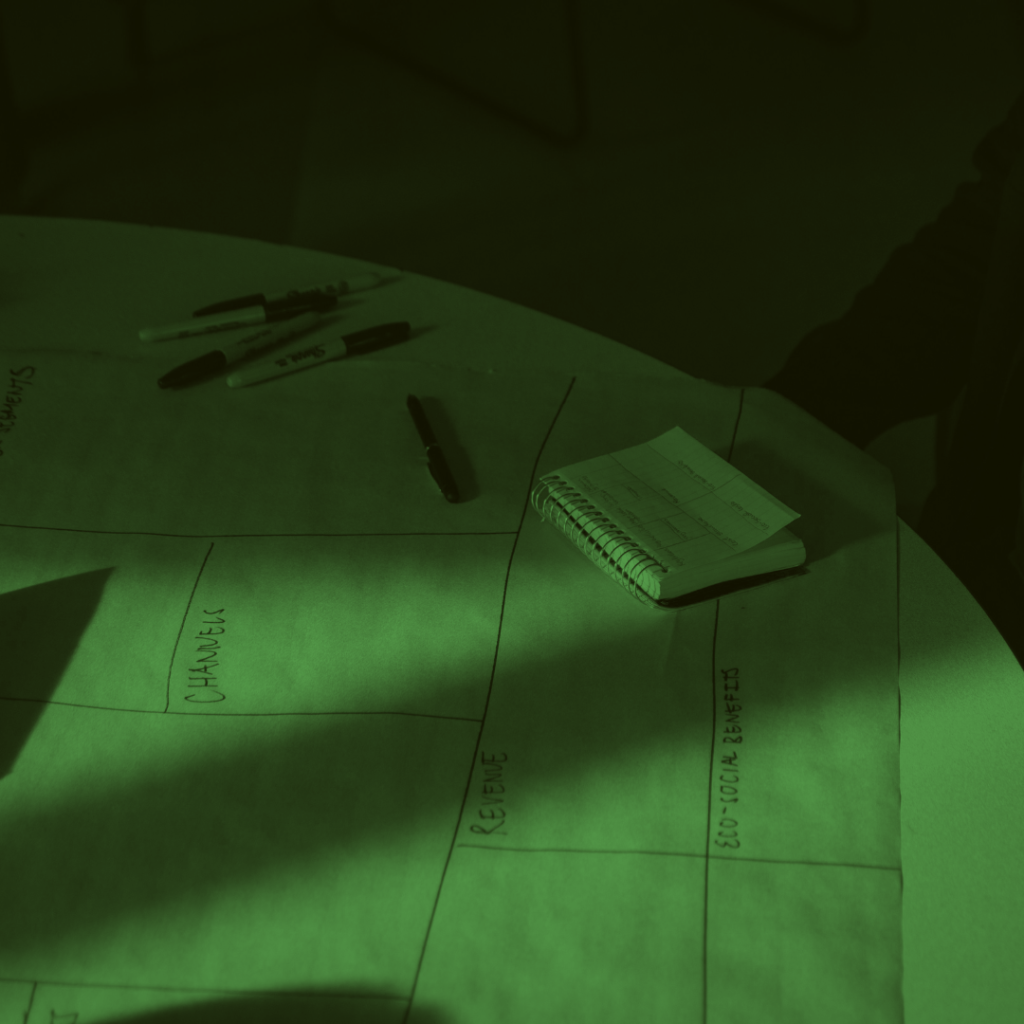
Business Model Optimisation is singerly the most critical element of any business start-up in 2026.
RIKON at SETU has vast experience and expertise at creating, optimising and re-developing business models in Ireland.
The presence of artificial intelligence means that business models which would have would have always been considered resilient and robust may need to be reconsidered.
A business model used to be something you could sketch loosely on a piece of paper and refine later. In 2026, it’s the backbone of whether a company survives at all.
Through our years of experience RIKON at SETU have proven that a business model explains how a company creates, delivers, and captures value. That hasn’t changed. What has changed is the environment: faster technology cycles, AI-driven competition, shifting customer expectations, and tighter capital markets. In that context, a vague or outdated business model isn’t just inefficient—it’s risky.
One of the biggest reasons business models matter more than ever is speed. Markets now move in real time. A startup can scale globally in months, and incumbents can lose relevance just as quickly. Without a clear model, businesses struggle to make fast, aligned decisions. Pricing, distribution, partnerships, and product strategy all depend on having a coherent system. If those pieces don’t fit together, growth becomes chaotic instead of compounding.
Another factor is the rise of artificial intelligence and automation. These technologies have lowered the barrier to entry in many industries, which means differentiation is harder. A good product is no longer enough. Companies need a model that clearly defines why customers will choose them and how they’ll make money sustainably. Subscription models, marketplaces, usage-based pricing, and hybrid approaches are constantly evolving. Choosing the wrong structure can cap revenue or inflate costs before a company even realises it.
Investor expectations have also shifted. The era of “growth at all costs” has cooled, replaced by a stronger focus on profitability and efficiency. A solid business model shows not just how a company grows, but how it becomes financially viable. It answers critical questions: What are the margins? How scalable is the revenue? Where are the risks?
Customer behaviour is another pressure point. People expect seamless experiences, transparent pricing, and immediate value. If a business model creates friction—hidden fees, confusing tiers, poor alignment between price and value—customers leave quickly. In a world where switching costs are often low, the structure of how you charge and deliver matters as much as the product itself.
There’s also the issue of resilience. Supply chain disruptions, regulatory changes, and global uncertainty have made flexibility essential. A well-designed business model isn’t rigid; it’s adaptable. It allows a company to shift channels, adjust pricing, or pivot offerings without breaking the entire system. Businesses that lack this flexibility often struggle to respond when conditions change.
Finally, a strong business model creates internal clarity. Teams understand how their work contributes to revenue and growth. Strategy becomes easier to communicate and execute. Without that clarity, organizations drift—resources get wasted, priorities conflict, and momentum slows.
In 2026, a business model is no longer just a planning tool. It’s a strategic engine. Companies that treat it as a living, evolving system—one that’s tested, refined, and aligned with reality—are far more likely to succeed. Those that ignore it, or treat it as an afterthought, risk building something that looks promising on the surface but can’t sustain itself underneath.
RIKON at SETU are the leading business model innovators in Ireland having already worked with over fifty companies over a range of industries.
To learn more log onto our website at https://www.rikon.ie/ or call us directly on 051 302409